
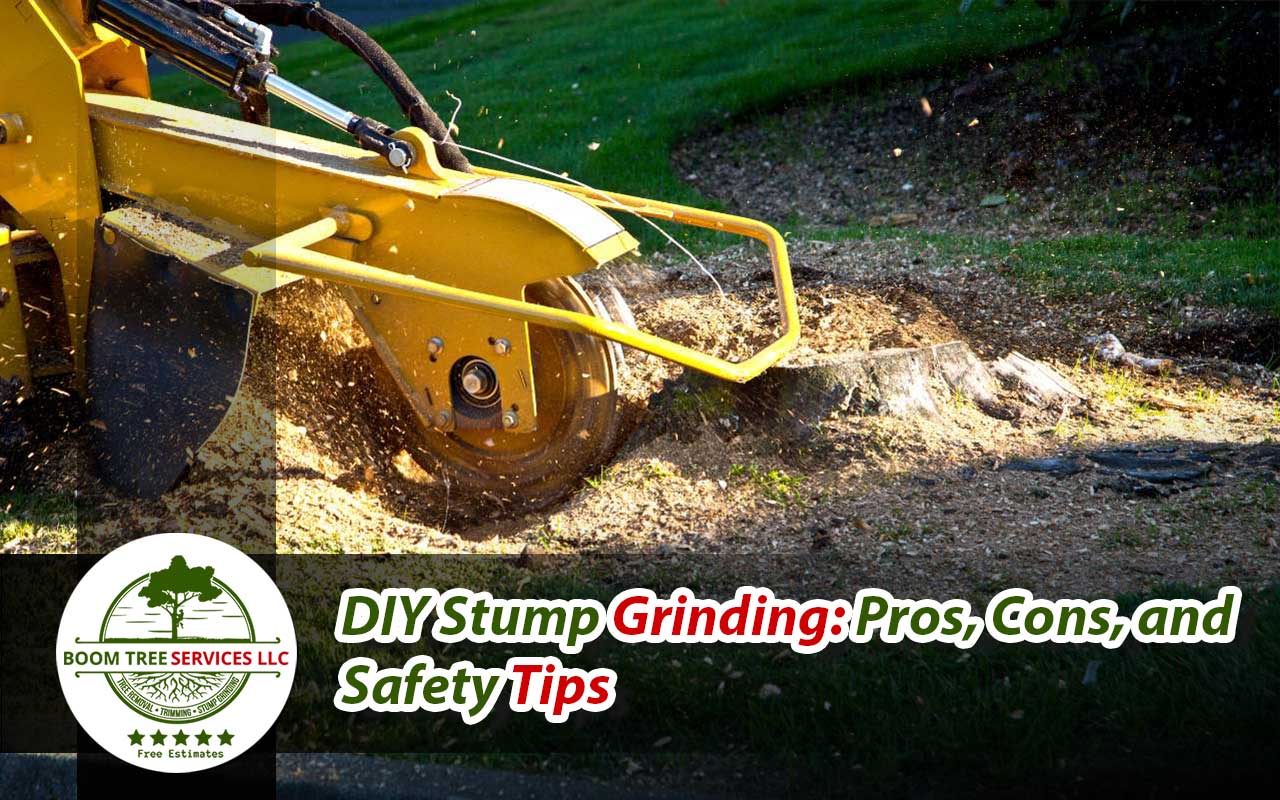
Embarking on DIY stump grinding transforms your backyard into a space of potential. Removing a stubborn stump challenges many homeowners, yet it offers the chance to use creativity and determination. Handling the project yourself saves money and delivers satisfaction once completed. However, before starting, it’s crucial to understand if it’s truly suitable for your situation. This guide explores advantages, disadvantages, safety tips, and when hiring a professional might be best. Learn how to approach stump grinding in Huntsville the right way and make an informed decision.
Equipment Needed for DIY Stump Grinding
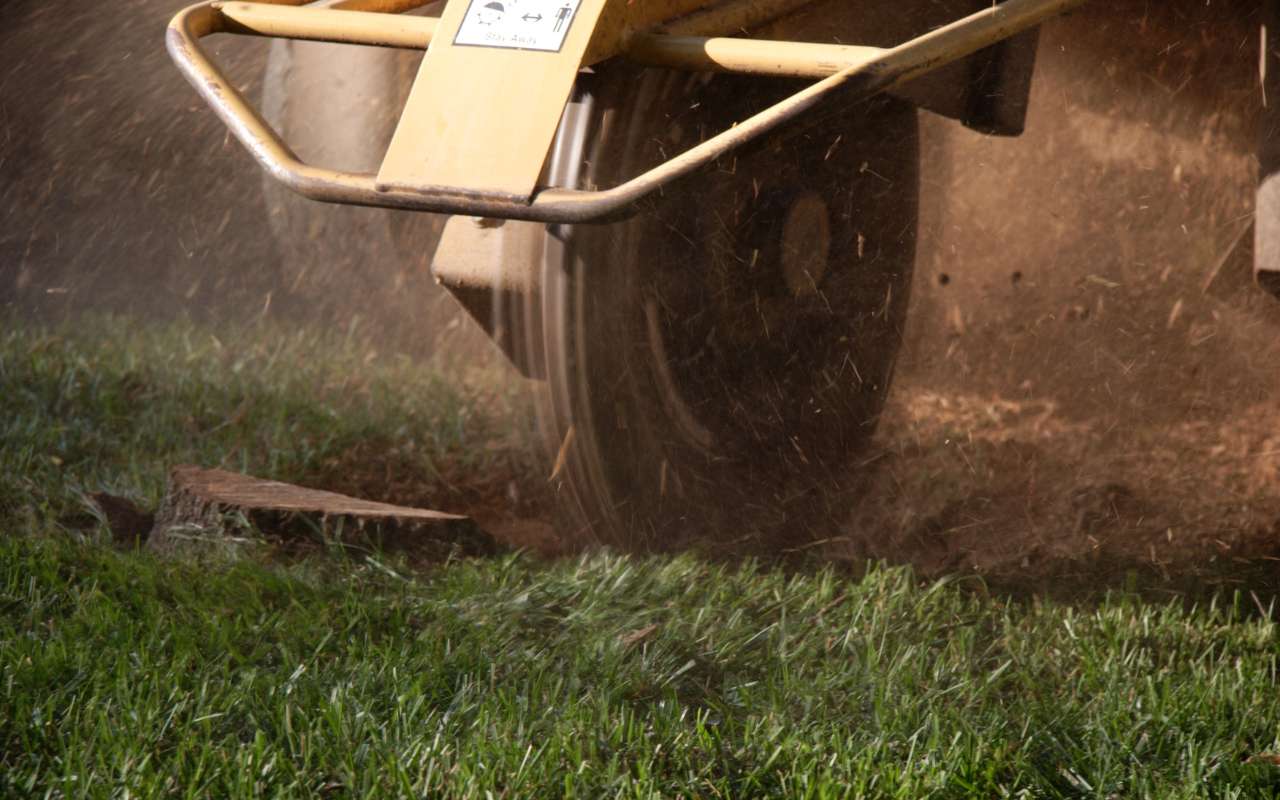
Every successful project begins with proper tools. In a typical DIY stump grinding setup, renting a stump grinder is essential. Most homeowners prefer walk-behind models for control and flexibility. Additionally, safety equipment such as gloves, glasses, ear protection, boots, and long pants is vital for preventing injuries. For a quick DIY stump grinding equipment guide, ensure every item below is included before you begin.
- Shovel for exposing roots
- Rake for collecting debris
- Wheelbarrow for transporting chips
- Soil tamper or plywood to flatten the ground
Having every item prepared keeps frustration minimal and allows you to focus on the task confidently.
Pros of DIY Stump Grinding
Choosing DIY stump grinding provides rewarding results. First, it reduces expenses, as renting equipment often costs less than hiring professionals. It also gives you flexibility to work at your own pace and adjust your timeline freely.
Beyond savings, the sense of personal achievement is significant. Removing a visible obstacle in your yard creates instant gratification. You decide whether to reuse wood chips as mulch or remove them completely, offering full control over your cleanup process. For more tree care insights, explore how to choose a tree service that meets your landscape goals.
Cons of DIY Stump Grinding
Despite its appeal, DIY stump grinding carries risks. Handling heavy equipment safely demands skill and attention. Incorrect operation could result in personal injury or property damage. Additionally, hitting hidden objects like rocks or buried lines can damage the machine and create hazards.
Unexpected costs may occur, including blade wear, fuel, and debris disposal. The process requires endurance, particularly for large stumps, which makes it time-intensive. Therefore, evaluate the potential savings against physical demands and safety concerns.
Safety Precautions Before Starting
Safety should always take priority in DIY stump grinding projects. Start by clearing the area of toys, stones, or debris. Contact utility providers to locate underground cables before digging. Wearing gloves, protective glasses, boots, and ear protection minimizes the risk of injury. Following all stump grinding safety precautions prevents unnecessary accidents and ensures smoother work.
Read the grinder’s manual carefully. Understand its features and safety mechanisms. Work steadily and rest when needed to maintain control and avoid fatigue.
How Deep to Grind a Tree Stump
Grinding depth impacts both safety and results. Usually, grind at least four inches below ground level to stop regrowth. If replanting, consider grinding eight inches deep to clear space for new roots. This approach keeps the yard smooth and prevents uneven spots later. Understanding how deep to grind a tree stump helps maintain long-term yard quality.
After grinding, fill the hole with soil and reseed to restore the area. Proper finishing ensures a level surface and enhances the appearance of your lawn.
When to Hire a Professional for Stump Grinding
Though DIY stump grinding may save costs, large or deeply rooted stumps often need expert care. Professionals possess advanced equipment and experience handling complex jobs efficiently. They also manage hidden roots or rough terrain more safely. Knowing when to call a professional for stump grinding can save time and prevent costly mistakes.
If time is limited or uncertainty arises about underground utilities, calling a professional is safer. Their expertise ensures efficiency, safety, and better long-term results. When ready, reach out through our contact page to connect with experienced specialists.
Ensuring Garden Safety During and After Stump Grinding
After grinding, post-project care maintains safety and aesthetics. Collect and remove wood chips that may hinder new growth. When using chips as mulch, spread them thinly to prevent suffocation of grass. Refill the hole, tamp the soil, and seed or sod for a smooth surface.
Monitor the area frequently for uneven spots or sprouting roots. Proper follow-up care ensures your garden remains stable and attractive.
Environmental Impact of Stump Grinding
DIY stump grinding offers an eco-friendly approach compared to chemical alternatives. The process generates natural wood chips that enrich soil and support beneficial organisms. It avoids harmful substances, helping maintain your garden’s ecological balance. In addition, when comparing stump grinding vs stump removal pros cons, grinding tends to be less invasive and more sustainable overall.
By keeping materials on-site, you reduce waste and promote sustainability. This method aligns with responsible landscaping practices and environmental stewardship.
Tips for a Successful DIY Stump Grinding Project
Preparation and patience define success. Before starting, expose main roots to prevent resistance. Move the grinder slowly and evenly across the stump surface, cutting thin layers for accuracy. Keep the blade sharp and pause often to clear debris.
- Inspect the area before starting
- Plan grinding direction carefully
- Stay alert during operation
- Work methodically for consistency
These habits enhance control and produce clean, effective results without unnecessary effort.
FAQs about DIY Stump Grinding
Is DIY stump grinding safe for beginners?
It can be, provided safety guidelines are followed strictly. Beginners should study manuals and start with small stumps.
What protective gear is essential?
Always wear goggles, gloves, boots, and hearing protection. Long pants and sleeves protect against debris impact.
Can I reuse wood chips after grinding?
Yes, they make excellent mulch when spread thinly. Avoid piling them too high to prevent soil suffocation.
How long does the process usually take?
The duration depends on stump size. Small stumps may take less than an hour, while larger ones require more time.
When should I call a professional instead?
If the stump is large, deeply rooted, or near utilities, professional assistance ensures safety and efficiency.
Making the Decision: DIY or Professional?
Choosing between DIY stump grinding and hiring professionals depends on skill, time, and comfort. Confident homeowners can handle smaller tasks successfully. However, larger projects often demand professional precision and efficiency.
Safety should always lead your decision. If in doubt, rely on professional services that deliver reliable, clean results. For assistance, connect with trusted experts through the contact page and enjoy peace of mind knowing your yard is in good hands.
Conclusion
DIY stump grinding offers both satisfaction and challenge. While it saves money and gives a sense of achievement, it requires effort and responsibility. With proper tools, preparation, and safety measures, your project can succeed beautifully. Yet, when uncertainty arises, hiring professionals remains a wise investment for secure and lasting results.