
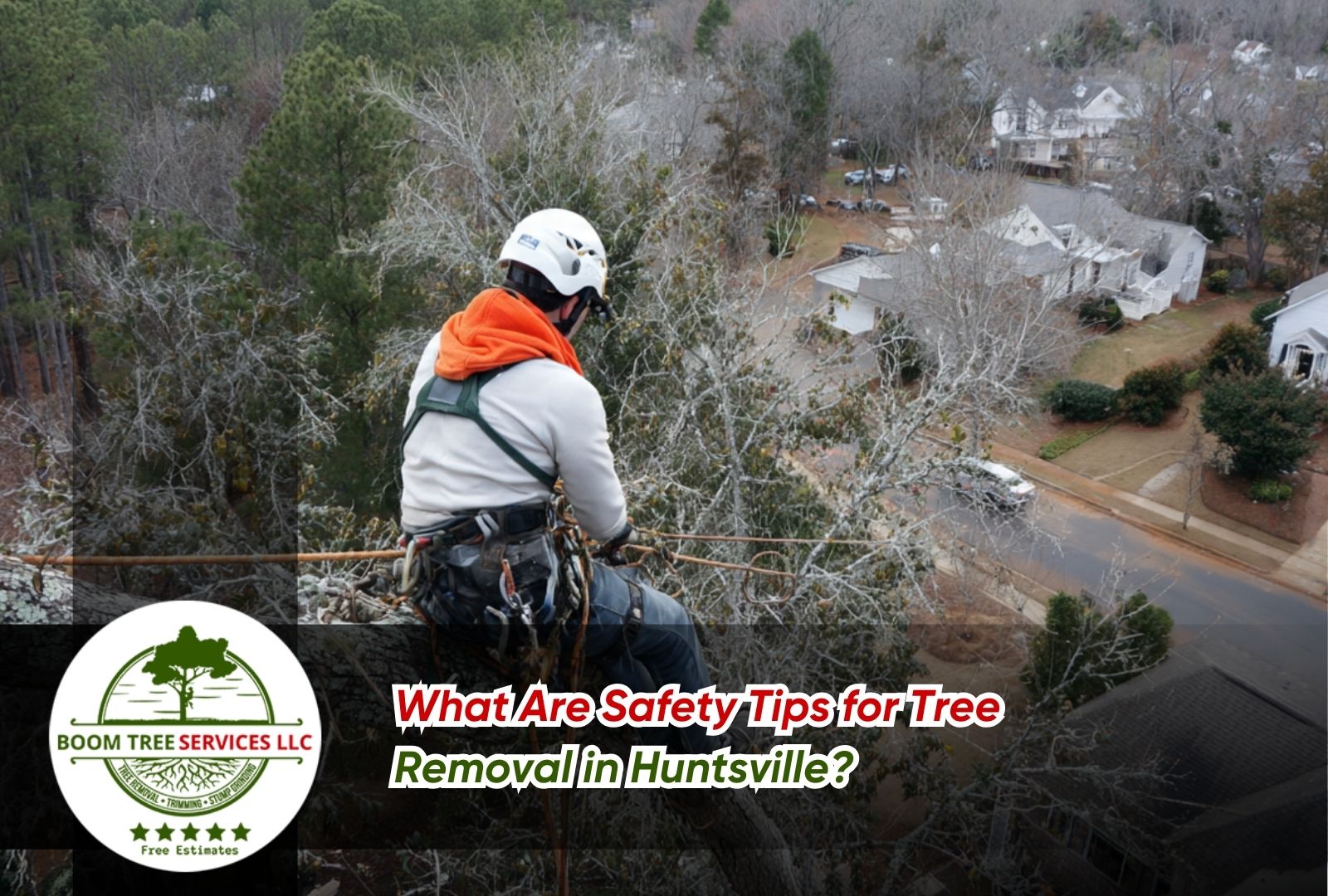
Removing a tree in Huntsville can seem straightforward, but one wrong cut can damage your home, injure someone you love, or disrupt your yard. This guide explains key Safety Tips for Tree Removal in Huntsville so you can spot hazards, choose safe options, and decide when it’s time to call experienced professionals. All with safety, budget, and peace of mind.
What Are Safety Tips for Tree Removal in Huntsville?
For most homeowners, safe tree removal starts with inspection, planning, and honest limits. Assess the tree’s health, identify obstacles, wear full protective gear, and establish an escape path. If the tree is large, storm-damaged, or near power lines, your safest move is hiring a qualified local crew.
Importance of Tree Removal Safety
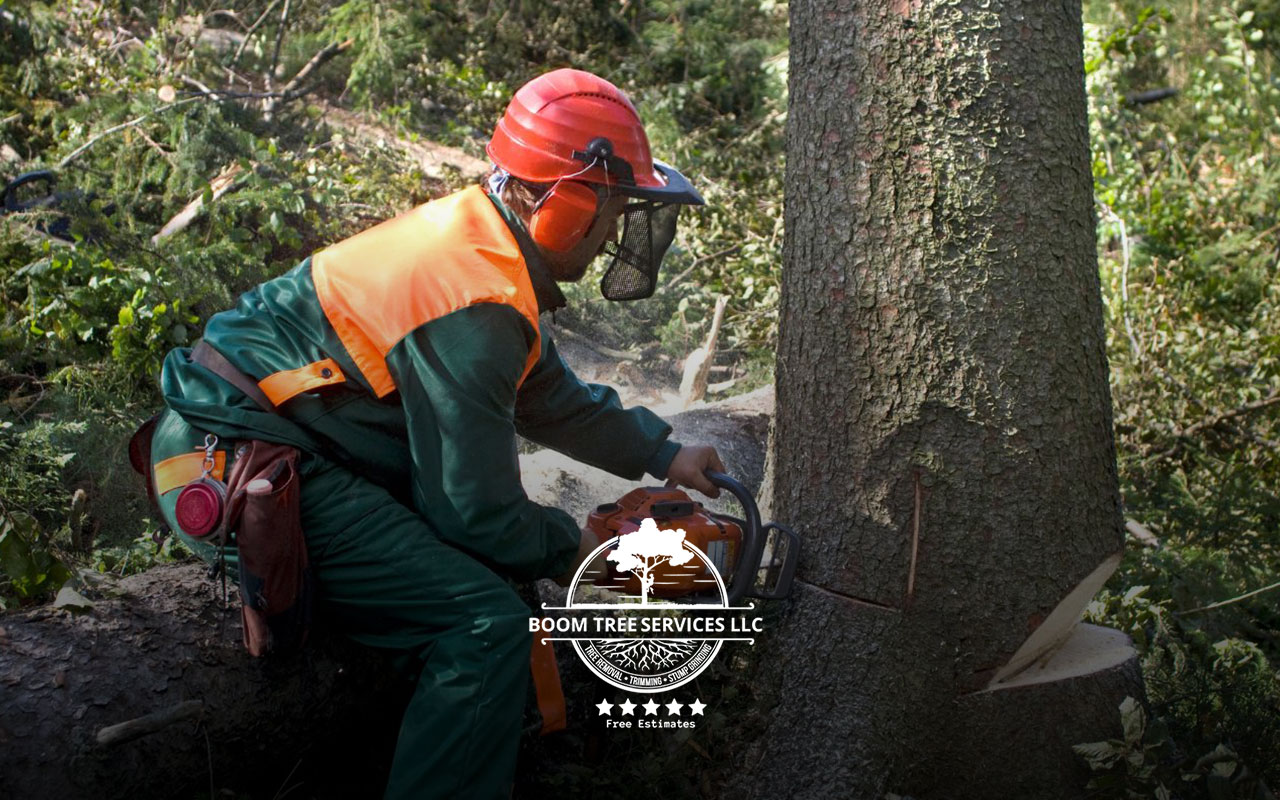
In Huntsville, mature trees add shade and character, but unsafe removal can threaten your home, vehicles, and loved ones. Hidden decay, root damage, or storm-weakened branches can fail suddenly, turning a simple project into an emergency.
That’s why clear, practical tree removal safety tips for homeowners are so important in Huntsville neighborhoods. Safe tree work protects your property, reduces liability, and keeps you compliant with local regulations and insurance requirements.
Responsible removal also supports your landscape and local wildlife. Poor techniques can cause erosion, damage nearby trees, and disturb habitats. Treat every removal as a planned project, not a quick weekend chore.
Recognizing Tree Cutting Hazards
Before you pick up a saw, take time to understand the hazards around each tree. There are clear signs a tree is unsafe to remove yourself that should immediately push you toward professional help.
Inspect the Tree Carefully
- Look for dead or cracked branches, peeling bark, and cavities that suggest internal decay.
- Tap the trunk; a hollow sound can mean structural weakness.
- Check for fungus or mushrooms at the base, a common indicator of root or trunk rot.
Evaluate the Surroundings
- Identify nearby homes, sheds, fences, vehicles, pools, and playsets in the potential fall zone.
- Look for overhead power lines or service drops; any contact risk is a job for professionals.
- Note slopes, retaining walls, and hard surfaces that could deflect a falling trunk.
Watch the Weather
Huntsville’s strong winds and heavy storms can make tree removal unpredictable. Avoid cutting in high winds, rain, or when the ground is slick or muddy. Waiting for calm, dry conditions can prevent a serious accident.
Utilizing Proper Safety Gear
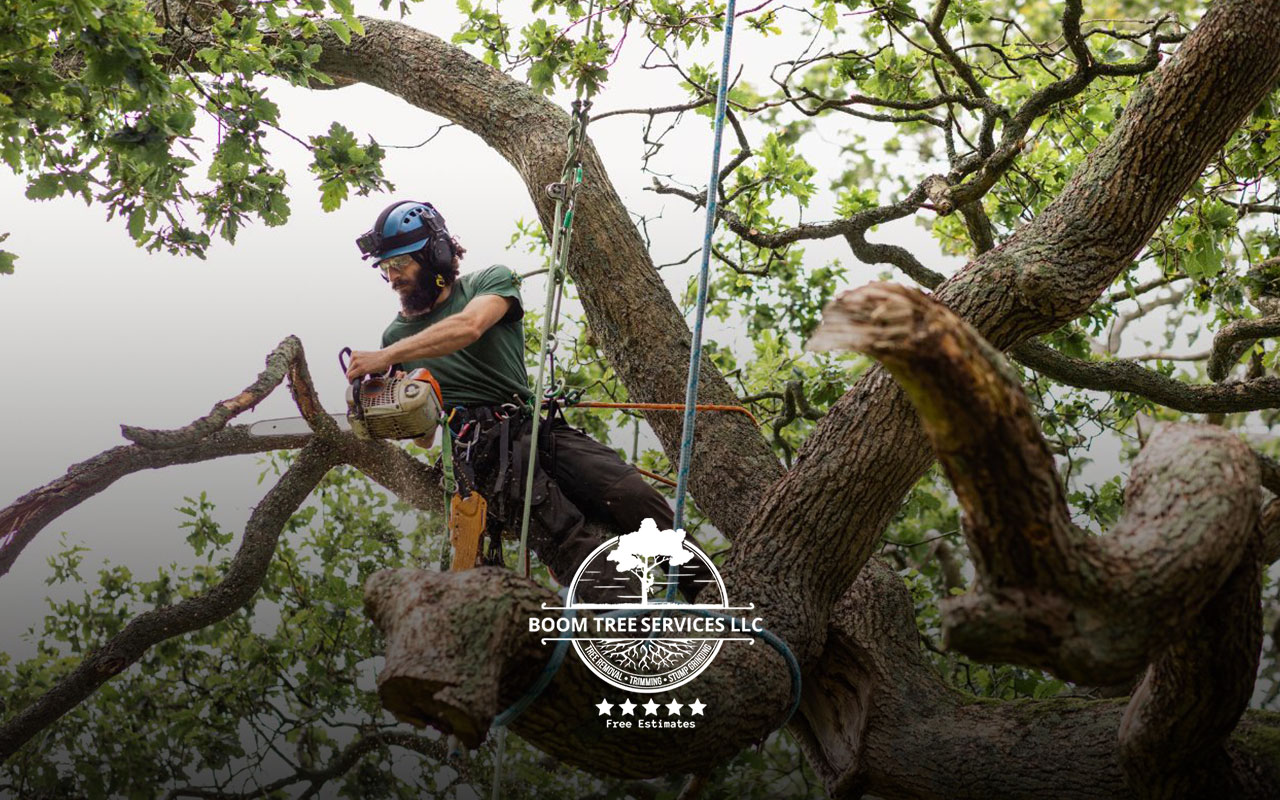
Using proper safety gear for tree removal reduces the chance of life-changing injuries. Even small cuts or falling branches can cause major harm when chainsaws and ladders are involved.
- Helmet: Shields your head from falling limbs and debris.
- Safety glasses or goggles: Protects your eyes from dust, bark, and wood chips.
- Heavy gloves: Improves grip and guards against cuts and splinters.
- Steel-toed boots: Supports your ankles and protects your feet from logs.
- Hearing protection: Reduces long-term damage from chainsaw noise.
- Chainsaw chaps or cut-resistant pants: Helps shield your legs from kickback.
If climbing is required, use rated ropes, a harness, and secure anchor points. Never climb with makeshift gear or a dull chainsaw. When the setup feels unstable, it’s time to call a crew with bucket trucks and rigging systems.
Assessing Tree Removal Risks
Good planning dramatically lowers your risk of injury or property damage. Before cutting, step back and plan the entire job from first cut to final cleanup.
- Mark hazards like power lines, sheds, fences, and garden structures.
- Determine the tree’s natural lean and plan a safe fall direction.
- Clear a fall zone free of people, pets, and obstacles.
- Establish at least one escape route at a 45-degree angle from the planned fall line.
- Check soil stability and avoid working on slopes you cannot stand securely on.
If risk feels high, consider scheduling professional tree removal services in Huntsville instead of pushing ahead with DIY work.
How to Safely Remove a Small Tree
Before you learn how to safely remove a tree on your own, limit this process to small trees in open areas, away from structures and wires.
- Confirm size and location: Only attempt trees you can manage without climbing or cutting large heavy sections.
- Inspect the trunk: Avoid DIY removal if there is heavy decay, deep cracks, or a severe lean.
- Clear the work zone: Remove furniture, toys, and tools; keep children and pets well away.
- Plan the fall: Choose a clear direction, then mark an escape path and practice moving along it.
- Make proper cuts: Use a notch on the fall side and a controlled back cut to guide the tree.
- Stay alert: Watch the canopy and be ready to retreat quickly if the tree shifts or splits.
If any step feels beyond your comfort or skill, pause and contact our Huntsville tree removal team for expert guidance.
DIY Tree Removal vs. Professional Services
Some small, open-area trees can be handled safely by confident homeowners with the right tools and training. Others demand professional rigging, cranes, and advanced techniques.
DIY may be reasonable when:
- The tree is small to medium in size and away from structures and wires.
- You have functioning safety gear and understand basic chainsaw operation.
- Weather and soil conditions are stable and dry.
Hire a professional when:
- The tree is tall, heavily branched, storm-damaged, or leaning toward a home or power line.
- There is significant decay, root damage, or a partially uprooted trunk.
- You are unsure how the tree will fall or cannot create a safe escape route.
When in doubt, reviewing why hire professional tree removal experts can help you decide if a crew is the smarter, safer choice.
Choosing the Right Tree Removal Professionals
Once you decide against DIY, choosing a qualified team is your next safety step.
- Look for licensed, insured companies with clear safety protocols.
- Ask if they employ certified arborists or tree care specialists.
- Request a written estimate that explains the process, cleanup, and stump options.
- Check reviews and local references, especially for storm or emergency work.
- Confirm that the crew will manage debris and protect nearby landscaping.
A professional team brings experience, equipment, and insurance that most homeowners simply do not have. That protection matters when working with heavy wood at height.
Safety Precautions During Tree Removal
Safety planning doesn’t end once cutting starts. You and any helpers must stay focused and communicate clearly throughout the job.
- Set up cones, tape, or barriers to keep others out of the work zone.
- Keep tools, branches, and cords out of your escape path.
- Use agreed-upon hand signals or radios when machinery noise is loud.
- Work with at least one helper who can watch for shifting branches and call for help if needed.
- Take regular breaks to manage fatigue, dehydration, and loss of focus.
Emergency Preparedness for Tree Removal
Even with planning, unexpected problems can arise. Being prepared helps you respond calmly instead of panicking.
- Have a simple action plan for equipment failure or an unexpected fall direction.
- Keep a charged phone nearby with local emergency numbers saved.
- Know to stay clear and call the utility company immediately if a tree contacts power lines.
- Keep a stocked first-aid kit close enough to reach without crossing the work zone.
For storm-related damage, consider scheduling storm damage tree removal in Huntsville so trained crews can manage unstable, partially fallen trees.
Ensuring Environmental Safety After Tree Removal
Once the tree is down, a few thoughtful steps keep your yard safe, healthy, and attractive.
- Grind or remove the stump to prevent regrowth, pests, and tripping hazards.
- Reuse wood chips as mulch where appropriate, avoiding piles against your home’s foundation.
- Protect soil by avoiding harsh chemicals and heavy equipment on wet ground.
- Replant with native trees or shrubs to restore shade, privacy, and wildlife habitat.
Ongoing care matters, too. You can support long-term safety by following practical tree trimming and maintenance tips tailored to Huntsville’s climate.
Frequently Asked Questions
Is it cheaper and safe to remove a tree myself?
DIY may look cheaper up front, but one mistake can cost far more than a professional visit. If the tree is large, near structures, or shows decay, schedule an on-site assessment instead of risking injury or major damage.
How do I know when to call a professional tree service?
Call a pro when you see heavy leaning, cracks in the trunk, dead upper branches, root lifting, or nearby power lines. If you are unsure, you can quickly contact our Huntsville tree removal team and request an expert opinion.
What safety gear is essential before I start cutting?
At minimum, wear a helmet, eye and hearing protection, heavy gloves, chainsaw chaps or cut-resistant pants, and steel-toed boots. Never use a chainsaw in sneakers, shorts, or without eye protection.
Can I remove a storm-damaged tree hanging over my roof?
No. A storm-damaged tree over a roof or power line is a high-risk job requiring specialized rigging. Schedule qualified help, such as local storm damage specialists, instead of attempting to cut or pull it down yourself.
How can I keep my remaining trees safer long-term?
Arrange periodic inspections, prune dead or crossing branches, and avoid cutting major roots. Combining regular maintenance with professional advice reduces emergencies and helps you make better decisions about future removals.
Critical Takeaways for Safe Tree Removal
- Always inspect the tree and surroundings before you cut.
- Use appropriate PPE and well-maintained tools every time.
- Limit DIY to small, low-risk trees in open areas.
- Hire professionals for large, decayed, storm-damaged, or hard-to-reach trees.
- Plan for emergencies and follow environmentally friendly cleanup practices.
By following Safety Tips for Tree Removal in Huntsville and respecting your own limits, you significantly reduce the chance of injuries and costly property damage.
Prioritizing Safety in Huntsville Tree Removal
Proper planning, honest risk assessment, and the right gear turn a risky job into a controlled project. When you follow Safety Tips for Tree Removal in Huntsville, you protect your family, your home, and your neighborhood.
If you ever feel unsure about a tree’s stability or your ability to remove it safely, treat that hesitation as a safety signal. Reach out to a trusted local tree service for guidance before the first cut.
References
- Tree Removal Safety: Essential Tips for Homeowners – Urban Splatter
- Safe Tree Removal: Essential Tips and Best Practices for Homeowners – Tense Magazine