
Seasons change, and so does proper tree care. Tree trimming and pruning can sometimes feel complex, which is why this guide simplifies decisions and timing. Here, you will learn essential practices for every season. Proper maintenance supports safety, beauty, and resilience so your landscape benefits year-round.
Well-planned care also prevents storm damage and disease. As autumn nears, a checklist helps you act with confidence. You will know when to fertilize, shape, and prepare for winter. In addition, consider booking an assessment to start strong and learn practical tree health assessment tips today.
The Importance of Tree Trimming and Pruning
Tree trimming and pruning improves both health and longevity. Selective cuts remove dead or diseased wood, reducing failure and decay risks. Opening the canopy increases light and airflow, which discourages pests and fungi. Thoughtful shaping also strengthens structure against storms, while boosting curb appeal with a balanced form. By planning fall care, you prepare your trees for vigorous spring growth.
Tools and Equipment Needed for Tree Maintenance
The right tools make work safer and cleaner. Keeping blades sharp and mechanisms lubricated ensures precise, efficient cuts.
- Use bypass pruners for small, clean cuts.
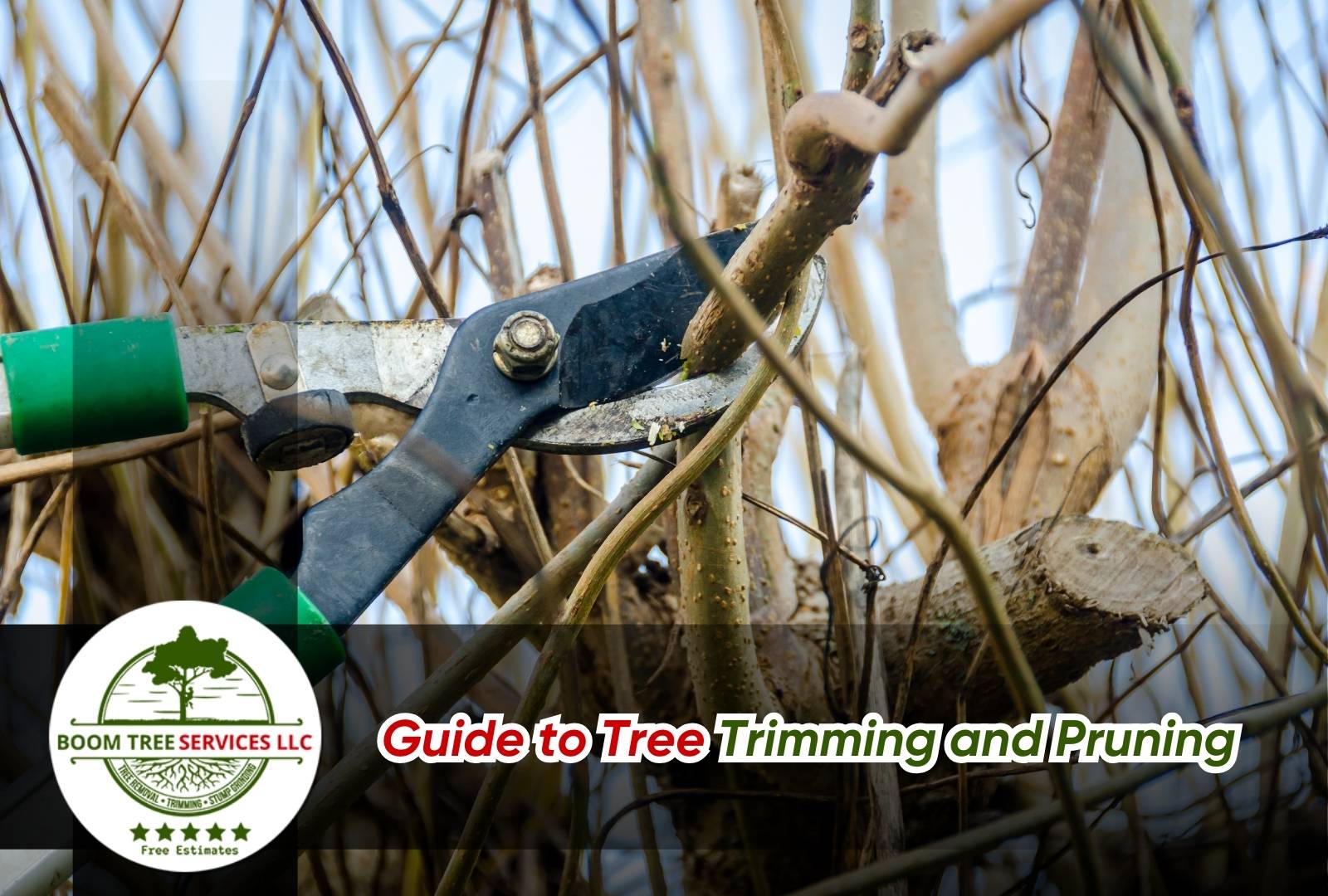
- Choose loppers for medium limbs with extended reach.
- Apply a curved pruning saw for larger branches.
- Consider pole saws for high or narrow areas.
- Wear gloves, glasses, and a hard hat for protection.
- Secure a sturdy, slip-resistant ladder.
Include these items in your seasonal checklist. They support both end-of-summer tasks and winter preparation.
Understanding Tree Growth Patterns
Effective pruning requires knowing how trees grow. Many species show apical dominance naturally, meaning selective cuts guide strong scaffolding limbs. Growth rates also vary greatly among species, so fast growers may need more frequent attention. Timing your work to each species’ rhythm avoids stress and maximizes recovery.
For example, sap flow peaks in early spring, which may cause heavy bleeding if you prune then. Dormant pruning often reduces this stress significantly. Late winter cuts also heal before pests arrive, ensuring a healthier and faster recovery.
Best Practices for Tree Trimming
When trimming, begin from the outside and move inward. Remove dead and crossing branches first to allow more light and airflow immediately.
- Cut just outside the branch collar.
- Avoid stubs and flush cuts consistently.
- Use the three-cut method on large limbs.
- Keep the work area clean and safe.
- Dispose of debris to limit disease spread.
Applying these steps during fall maintenance makes tree trimming and pruning both safe and efficient.
Techniques for Pruning Different Tree Types
Evergreens need light, careful pruning. Thinning crowded interiors during late winter keeps them strong without stress. Deciduous trees, on the other hand, respond best to dormant-season shaping. Selective cuts improve canopy structure and encourage strong wound closure.
Fruit trees require specialized strategies. Open-center forms enhance light distribution, while heading cuts help train young lateral growth. Renewal pruning is also effective for reinvigorating older wood.
Timing: When to Trim and Prune Trees
Timing determines recovery and vigor. Late winter generally suits most deciduous species because sap loss and stress remain low. Avoid heavy spring pruning on trees known as “bleeders.” Light evergreen touch-ups in early spring are usually acceptable.
During fall, focus on deadwood removal. Pair fertilization thoughtfully with recent pruning so nutrients support both healing and new growth. Using a seasonal checklist keeps tasks organized and ensures tree trimming and pruning aligns with natural growth cycles. For regional insights, review practical advice on fall tree care.
Addressing Common Tree Health Issues
Pests and diseases challenge even healthy trees. Monitor for aphids, mites, and borers, and remove infested wood to reduce spread. Fungal issues such as mildew, cankers, and rot should also be addressed early, as pruning can limit further damage.
Environmental conditions also affect resilience. Drought and compaction stress roots significantly, so mulching and consistent watering are essential. Following fertilization best practices further strengthens defense mechanisms. In this way, tree trimming and pruning becomes part of an integrated health plan.
Safety Measures During Tree Maintenance
Safety deserves constant attention during maintenance. Always use protective equipment and proper climbing techniques.
- Inspect ladders, ropes, and harnesses before use.
- Secure anchor points when climbing.
- Keep a ground spotter for clear communication.
- Maintain tools regularly and follow manuals.
- Avoid advanced rigging unless properly trained.
These habits reduce accidents and delays, keeping tree trimming and pruning controlled and predictable.
Tips for Hiring Professional Tree Care Services
Some projects require certified expertise. Verify licensing, insurance, and references before hiring. Ask about standards and pruning methods, and request a written scope of work with clear timelines. Safety and quality should always outweigh price.
Local specialists also understand regional stresses and growth patterns. Their knowledge aligns pruning practices with long-term tree health. For expert assistance, review tree trimming services in Huntsville, AL or contact Boom Tree Services to schedule an evaluation.
Frequently Asked Questions
How often should I schedule tree trimming and pruning?
Inspect trees each season. Most landscapes benefit from annual evaluations, though frequency may vary depending on species and growth rates.
Which branches should I remove first?
Remove dead, diseased, and crossing branches as a priority. Address hazards near structures and pathways to improve both safety and tree health.
Can I prune during the growing season?
Light corrective cuts are acceptable, but avoid heavy pruning during peak sap flow. Dormant periods are generally better for major work.
Do young trees need structural training?
Yes, early guidance prevents future failures. Select a strong leader and space scaffold branches evenly for balanced support.
When should I fertilize around pruning?
Apply nutrients after significant pruning events. Match timing to species needs and soil test results for optimal recovery.
Nurturing Your Trees Through Every Season
Consistent tree trimming and pruning sustains both vigor and beauty. By following best practices for tools, timing, and safety, your trees withstand wind, heat, and cold more effectively. Seasonal checklists also keep tasks manageable and ensure progress year after year.
Whether you handle tasks yourself or hire experts, planning ahead matters. Start with a quick assessment and explore practical tips, then reach out for personalized recommendations. For regional expertise, review Huntsville trimming services and align care with local conditions. With proper attention, your trees will thrive gracefully through every season.