
Trees look tough, yet they can struggle quietly. In winter, stress and moisture often expose hidden problems. Because early clues are subtle, many owners miss them. This guide explains Tree Diseases, how to spot warning signs, and what to do next. You will also learn prevention steps and when to seek expert help.
What are Tree Diseases, and how can you identify them before they spread?
Tree Diseases are health problems caused by fungi, bacteria, viruses, or site stress. Therefore, you can often catch them early by watching leaves, bark, roots, and canopy shape. In addition, winter inspections help because structure is easier to see. When symptoms persist, professional support prevents bigger losses.
Why Tree Diseases often show up during winter
Tree Diseases can worsen when trees are stressed by cold, wind, and saturated soil. Meanwhile, damp conditions support pathogens that exploit weak tissue. Consequently, winter is a smart season for consistent checks.
- Cold stress reduces natural defenses.
- Wet soil lowers oxygen around roots.
- Wounds from storms invite infection.
- Compacted ground limits drainage and recovery.
Because timing matters, Boom Tree Services LLC often recommends seasonal inspections after heavy rain or ice.
Common tree diseases in winter: what to watch for
Common tree diseases in winter can be easier to notice because leaves are sparse. However, symptoms may still appear on bark, buds, and the soil line. Tree Diseases often start small, so quick action helps.
- Powdery growth on buds or twigs.
- Sunken bark wounds that crack over time.
- Mushrooms near the base after wet weather.
- Thinning canopy and dead branch tips.
If you want a structured routine, review Tree Health Assessment Tips for Lush Gardens | A Complete Guide and apply it monthly.
Identifying fungal infections on trees with simple visual checks
Identifying fungal infections on trees starts with surfaces that stay damp. For example, shaded canopies and crowded branches hold moisture longer. Therefore, Tree Diseases caused by fungi often show visible texture changes.
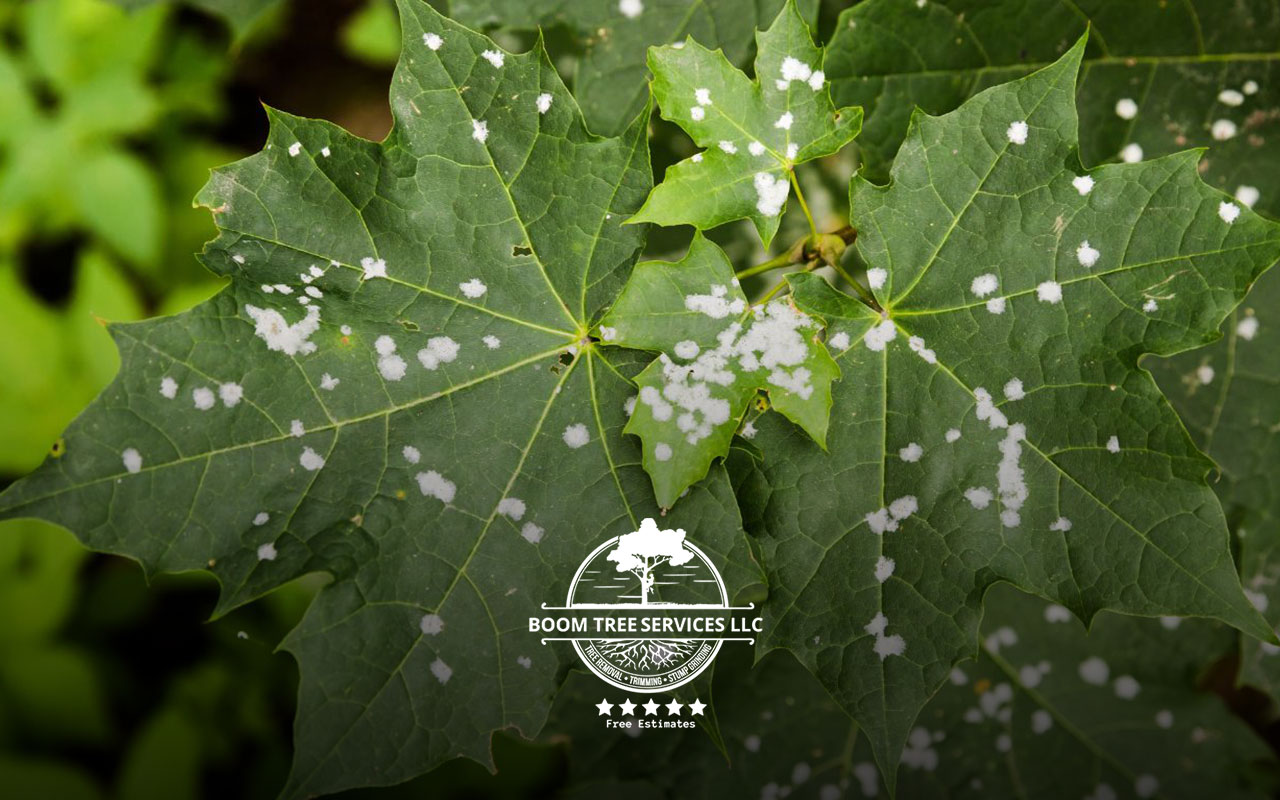
- Look for gray or white powder on leaves and shoots.
- Check for dark spots that merge into blotches.
- Inspect for cankers, which look sunken and discolored.
- Scan the base for fungal bodies after rain.
Additionally, improve airflow with careful pruning. For safer pruning habits, see Tree Trimming and Pruning Guide for Healthy, Strong Trees.
Preventing bacterial tree diseases before they take hold
Preventing bacterial tree diseases relies on cleanliness and dry-time decisions. Although symptoms can mimic fungi, bacterial issues often include wet-looking patches. Consequently, sanitation reduces spread between cuts.
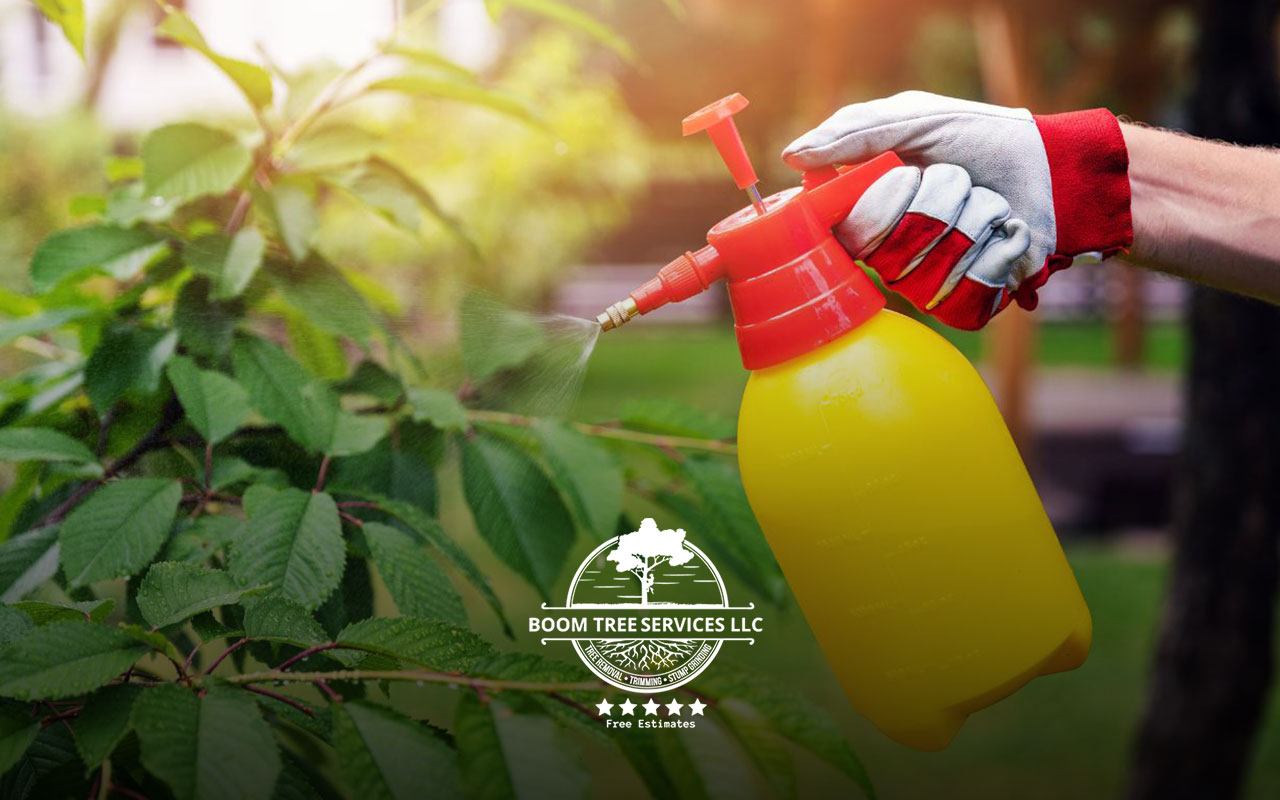
- Disinfect tools between trees and between major cuts.
- Avoid pruning during rainy or foggy days.
- Remove infected debris quickly and bag it.
- Improve drainage to reduce trunk-base moisture.
Because prevention is easier than cure, Boom Tree Services LLC encourages owners to keep a seasonal checklist.
Root rot symptoms and treatments that protect stability
Root rot symptoms and treatments can be tricky because damage starts underground. Still, Tree Diseases in roots often create clear canopy changes. Therefore, watch for wilting even when soil is wet.
- Yellowing or drooping leaves during mild weather.
- Stunted growth and a sparse canopy.
- Soil that stays soggy for days.
- Foul odor or decay near the trunk flare.
First, reduce overwatering and fix drainage. Next, improve soil airflow with careful aeration. If stability is threatened, professional evaluation is safer.
How to check a tree for disease in 15 minutes
This quick process helps you catch Tree Diseases early. Moreover, it builds a record you can share with an expert. Use photos, notes, and repeatable steps.
- Walk the yard and look up for dead hangers.
- Compare canopy density across the crown.
- Inspect bark for cracks, cankers, or oozing spots.
- Check the base for mushrooms or heaving soil.
- Look for root flare burial and standing water.
- Photograph symptoms from the same angles each visit.
- Write one short note per tree, then track changes.
If you suspect a hazard, consider a safety-first option like Tree Removal in Huntsville, AL: Elevate Your Property.
FAQs
How often should I inspect for Tree Diseases in winter?
Check monthly, and also after storms. Therefore, you can catch new cracks or canopy thinning early. For a repeatable routine, use Tree Health Assessment Tips for Lush Gardens | A Complete Guide.
What is the fastest way to start identifying fungal infections on trees?
Look for powdery coatings, spots, and cankers. Also, check the base for mushrooms after rain. Then, improve airflow using guidance from Tree Trimming and Pruning Guide for Healthy, Strong Trees.
Which root rot symptoms matter most for safety?
A sudden lean, heaving soil, and a thinning crown are urgent. Consequently, they can signal failing roots. If risk is unclear, consult the process explained in Tree Service FAQ | Boom Tree Services LLC.
How can I focus on preventing bacterial tree diseases at home?
Disinfect tools, avoid wet-weather pruning, and remove infected debris. Moreover, prevent trunk damage from mowers and string trimmers. For service expectations and next steps, see Tree Service FAQ | Boom Tree Services LLC.
When do I need professional tree disease diagnosis and treatment?
If symptoms spread fast, persist, or affect large limbs, call a pro. Therefore, you reduce risk to people and property. Start with Contact Us Today for Professional Tree Services.
Professional tree disease diagnosis and treatment in North Alabama
Tree Diseases can escalate quickly when multiple stressors overlap. Consequently, Boom Tree Services LLC can help confirm causes and reduce spread. Boom Tree Services LLC also supports safer pruning and site improvements. If you want a clear plan, Boom Tree Services LLC can assess symptoms and recommend next steps. To schedule help, use Contact Us Today for Professional Tree Services.
References
- How to identify and control ash dieback
- ‘New hope’: ash trees rapidly evolving resistance to dieback, study reveals